Services

Water treatment for Treasure Coast homes

Six systems, each for a problem you can see, smell or taste. Not sure which one you need? That’s what the FREE on-site water test is for.

Water Softeners

Best for: hard water, scale, spotting, dry skin

Hard water carries dissolved minerals, mostly calcium and magnesium. You don’t see them in the glass, but you see what they leave behind.
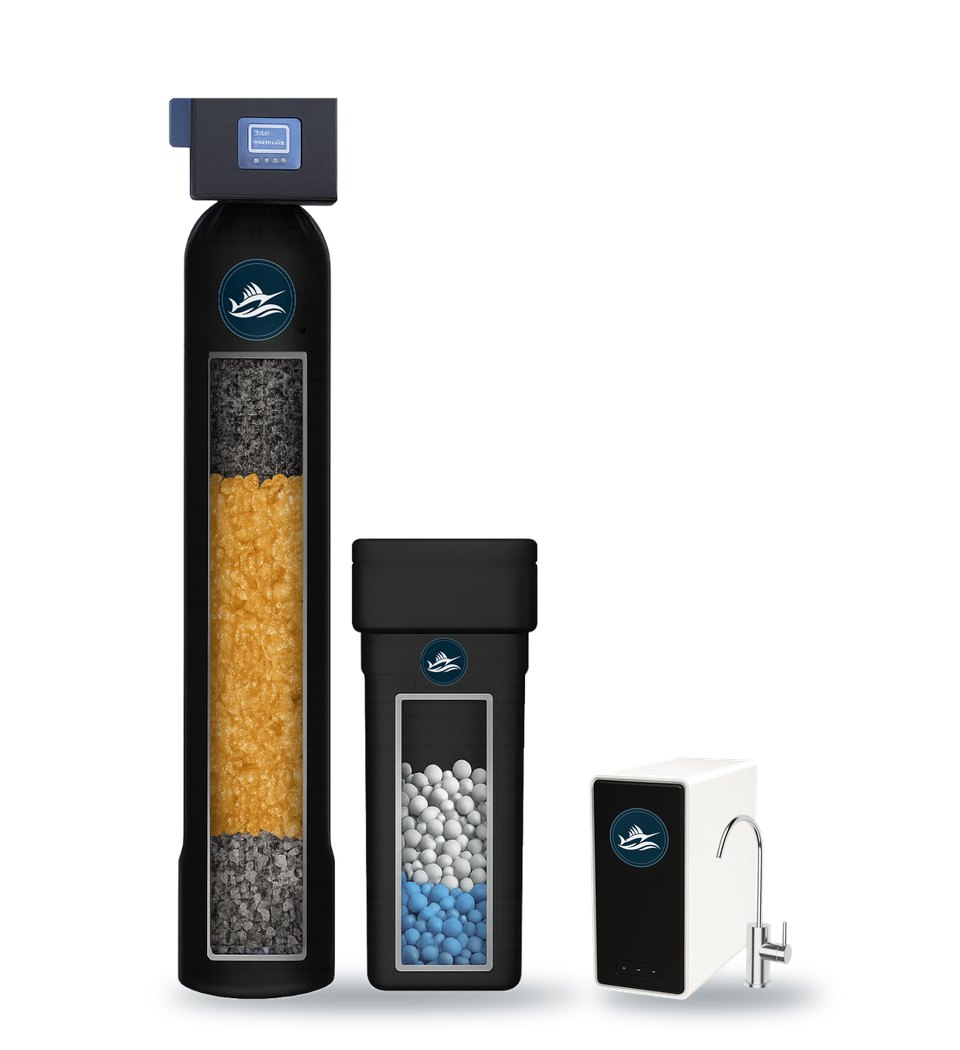
Illustration of a water softener: a black tank with a control valve on top and a cutaway window showing the media inside, a black salt tank beside it, and a small white under-sink drinking water unit with a chrome faucet. Each tank carries the round Sailfish Water Co badge.

What you notice

  • White crust on faucets, showerheads and fixtures
  • Spots on dishes, glasses and glass shower doors
  • Soap and shampoo that won’t lather well
  • Dry skin and dull-feeling hair after a shower
  • Scale building up in the water heater, dishwasher and washing machine

What it does

A water softener takes the hardness minerals out of the water as it enters your home, so every tap and shower gets soft water.

  • Less scale and fewer spots to scrub
  • Soap lathers with less product
  • Skin and hair feel softer after a shower
  • Less scale inside appliances that heat water, which helps them last

Find out how hard your water is with a FREE on-site water test.

Book my free water test
Whole-Home City Water Filtration

Best for: chlorine taste, chlorine smell, odor

City water is treated with chlorine before it reaches you. It does its job, but plenty of people don’t like how it tastes or smells by the time it comes out of the tap.

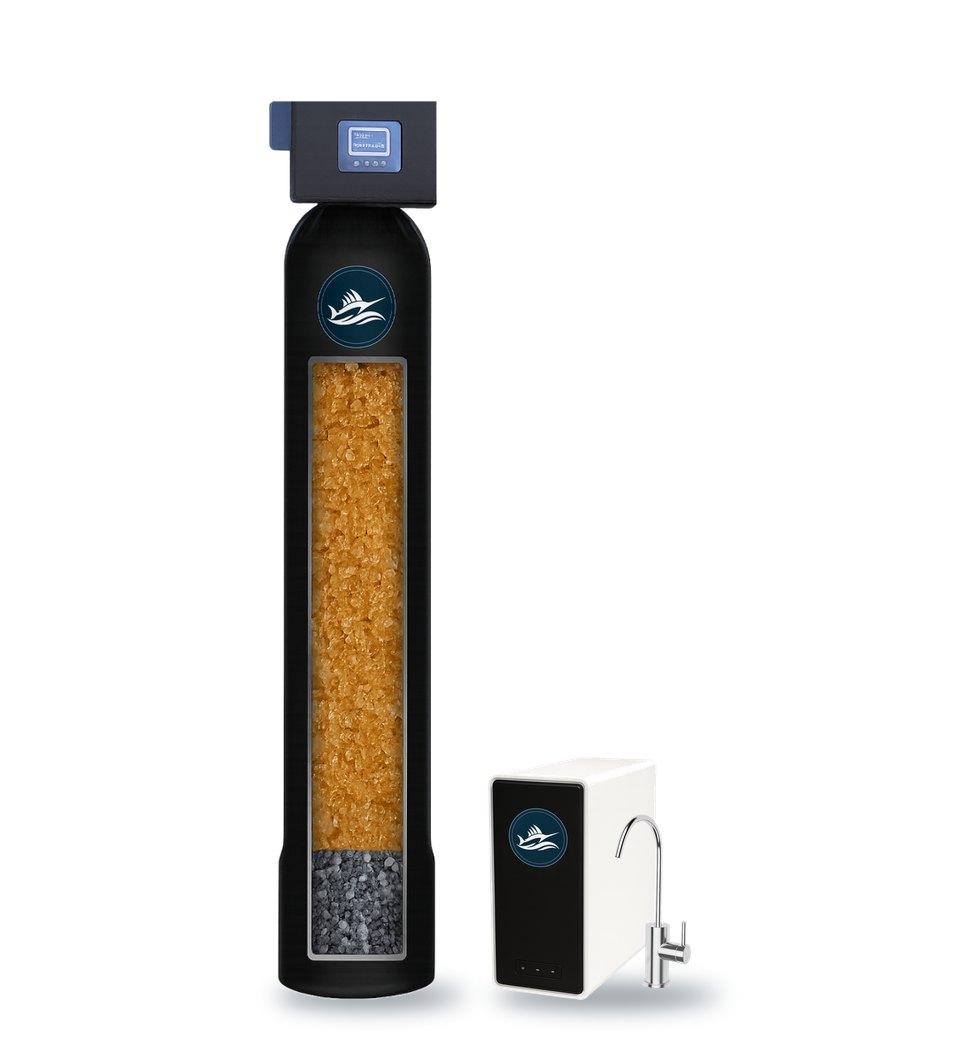
Illustration of a whole-home filtration system: one black tank with a control valve on top and a cutaway window showing the media inside, next to a small white under-sink drinking water unit with a chrome faucet. The tank carries the round Sailfish Water Co badge.

What you notice

  • A pool-like smell in the shower
  • Tap water that tastes like chlorine or chemicals
  • Coffee, tea and ice that taste a little off
  • Buying bottled water because you don’t like the tap

What it does

A whole-home filtration system treats water where it enters the house, so the chlorine taste and odor are reduced at every faucet and shower, not only the kitchen.

  • Better-tasting water at every tap
  • Showers without the chlorine smell
  • Better coffee, tea and ice
  • Pairs with a softener if your city water is also hard

See what’s coming out of your tap with a FREE on-site water test.

Book my free water test
Whole-Home Premium City Water System

Best for: chlorine taste and smell, plus hard-water scale and spots

Our most complete system for city water. Two tanks work together: one filters your water, the other softens it. You get better-tasting water at every tap, less chlorine taste and smell, and protection from hard-water scale, spots and buildup throughout your home.

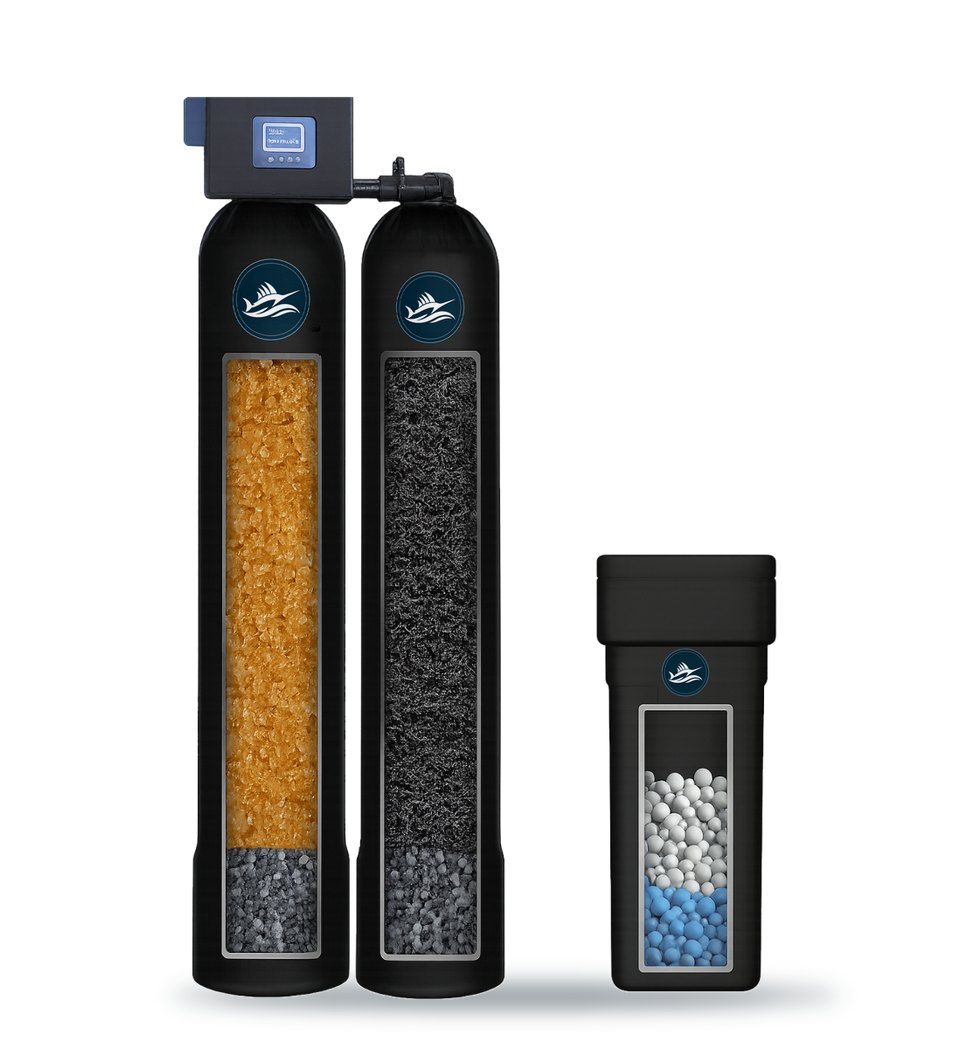
Illustration of a whole-home premium city water system: two black tanks side by side, the first with a control valve on top, each with a cutaway window showing the media inside, and a black salt tank beside them. Each tank carries the round Sailfish Water Co badge.

What you notice

  • A pool-like smell in the shower
  • Tap water that tastes like chlorine or chemicals
  • White crust on faucets, showerheads and fixtures
  • Spots on dishes, glasses and glass shower doors

What it does

Both tanks treat water where it enters the house. The first reduces the chlorine taste and odor; the second takes out the hardness minerals. Every faucet and shower gets the benefit of both.

  • Better-tasting water at every tap
  • Showers without the chlorine smell
  • Less scale and fewer spots to scrub
  • Less scale inside appliances that heat water, which helps them last

See what’s coming out of your tap with a FREE on-site water test.

Book my free water test
Well Water Treatment

Best for: iron, sulfur, rotten-egg smell, orange staining

Florida well water often carries iron and sulfur. Neither one is subtle: iron stains, and sulfur smells.

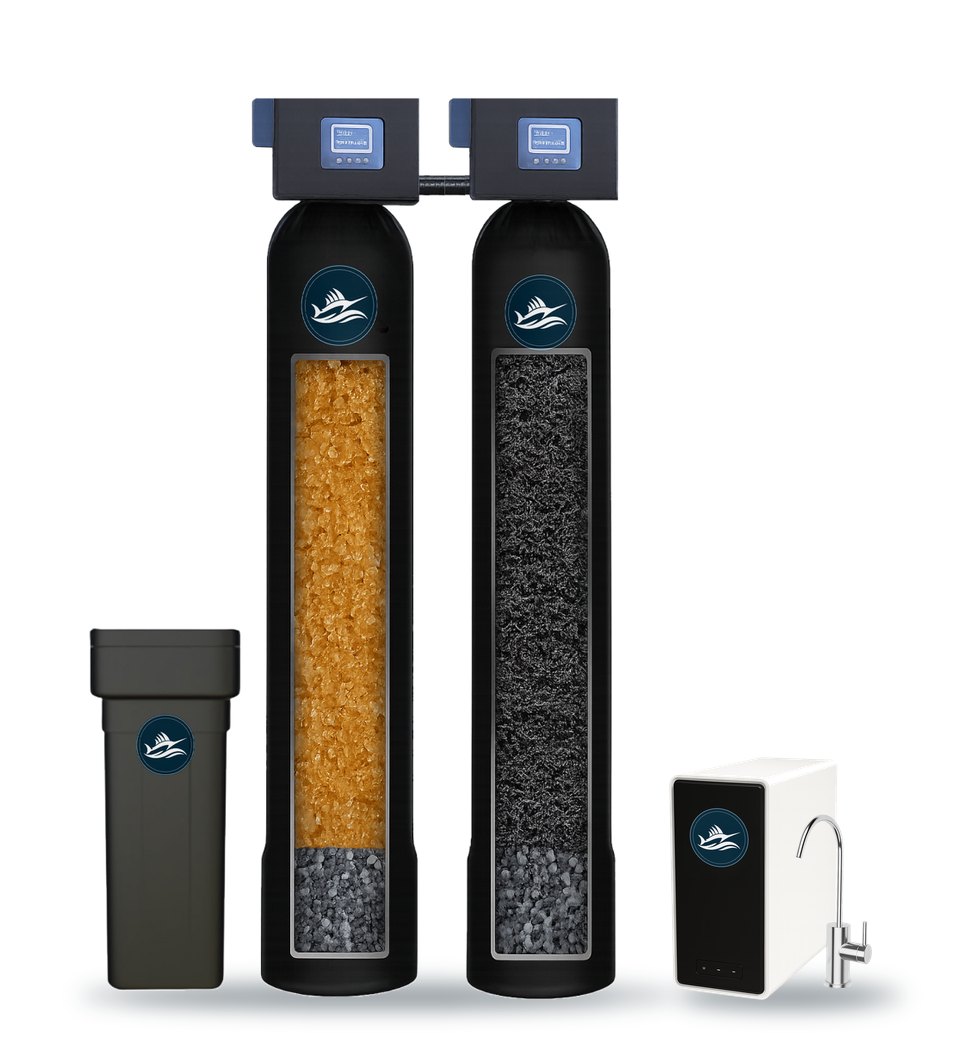
Illustration of a well water treatment system: two black tanks, each with its own control valve, with cutaway windows showing the media inside, a black salt tank, and a small white under-sink drinking water unit with a chrome faucet. Each tank carries the round Sailfish Water Co badge.

What you notice

  • Orange or brown stains in toilets, tubs, sinks and laundry
  • Rust-colored staining where sprinklers hit the house, driveway or fence
  • A rotten-egg smell, often strongest from the hot water
  • A metallic taste
  • Water that looks cloudy or tinted in a glass

What it does

Well water treatment takes iron and sulfur out of the water before it reaches your fixtures. The right setup depends on what your water test shows, which is why every recommendation starts with one.

  • Clear water without the orange tint
  • The rotten-egg smell goes away
  • Stains stop coming back after you clean
  • Water that tastes like water

Find out exactly what’s in your well water with a FREE on-site water test.

Book my free water test
Reverse Osmosis Drinking Water

Best for: drinking water and cooking at the kitchen sink

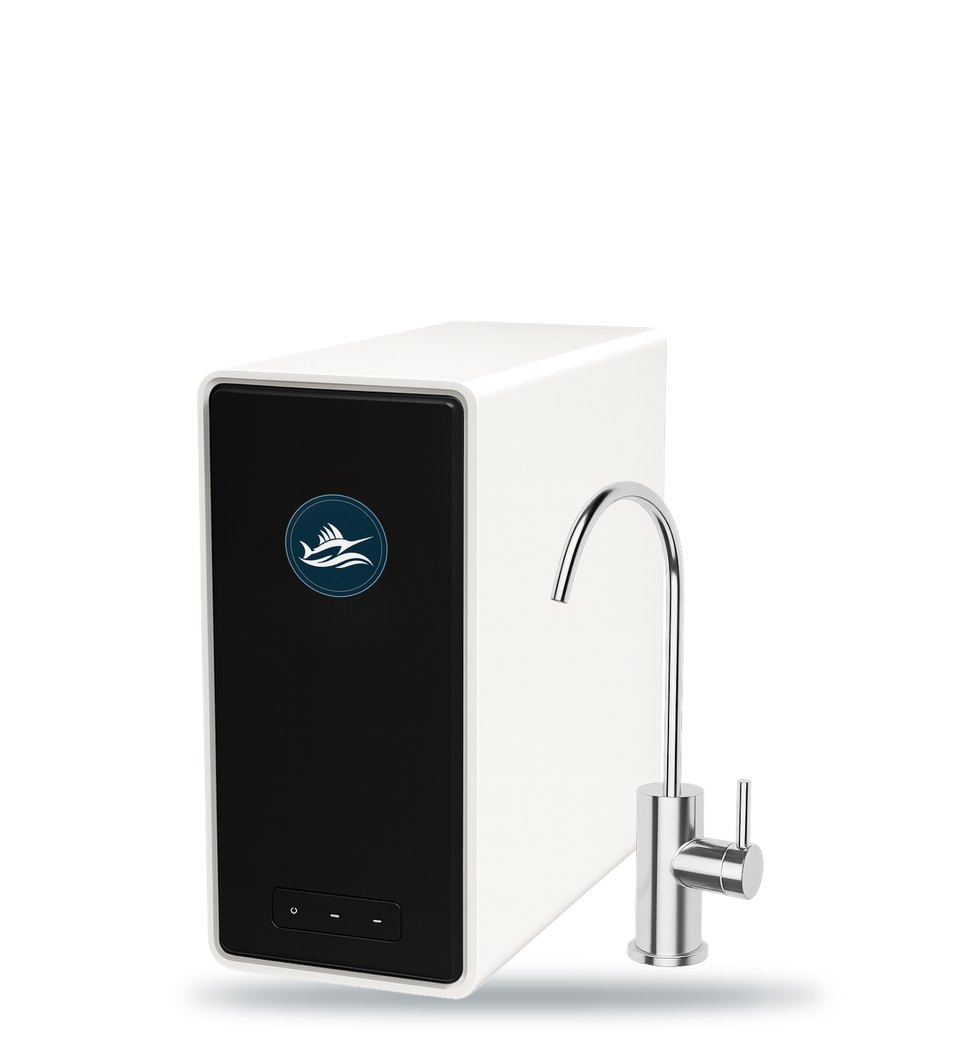
Reverse osmosis is drinking water treatment for one spot in the house: the kitchen sink. It’s the water you drink, cook with and make ice from.

A white under-sink reverse osmosis unit with a black front panel, next to a chrome drinking water faucet

What you notice

  • Hauling cases of bottled water home
  • Not liking the taste of your tap water
  • Cooking pasta, rice and soup with water you wouldn’t drink
  • Spots and film on your coffee maker and kettle

What it does

A reverse osmosis system fits under your kitchen sink with its own faucet. It runs your drinking water through a very fine filter, so what comes out tastes clean and crisp.

  • Great-tasting water on tap at the kitchen sink
  • Fewer cases of bottled water to buy and carry
  • Better coffee, tea and ice
  • Cooking with water you’d happily drink

Available faucet finishes

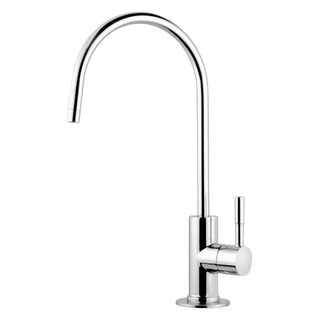
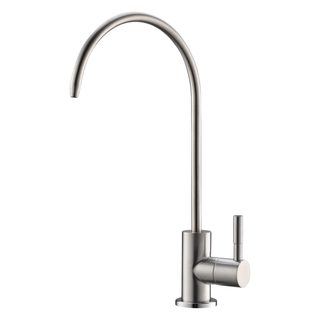
The drinking water faucet at your sink comes in five finishes, so it can match your kitchen.

  • Chrome gooseneck drinking water faucet
    Chrome
  • Brushed Nickel gooseneck drinking water faucet
    Brushed Nickel
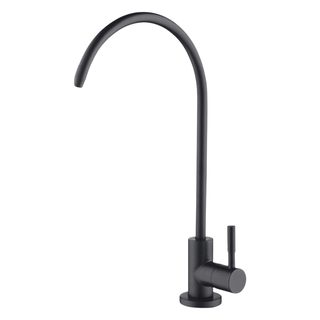
  • Matte Black gooseneck drinking water faucet
    Matte Black
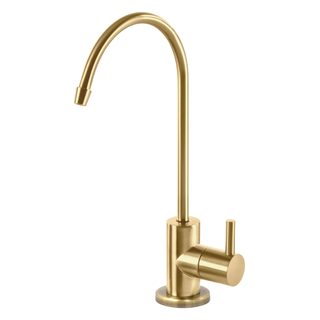
  • Brushed Gold gooseneck drinking water faucet
    Brushed Gold
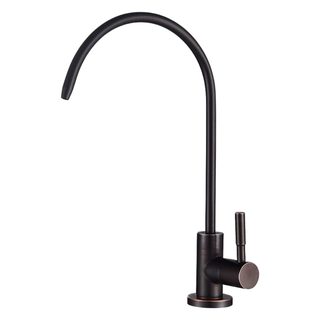
  • Oil Rubbed Bronze gooseneck drinking water faucet
    Oil Rubbed Bronze

Taste the difference after a FREE on-site water test.

Book my free water test
UV Purification

Best for: bacteria in well water

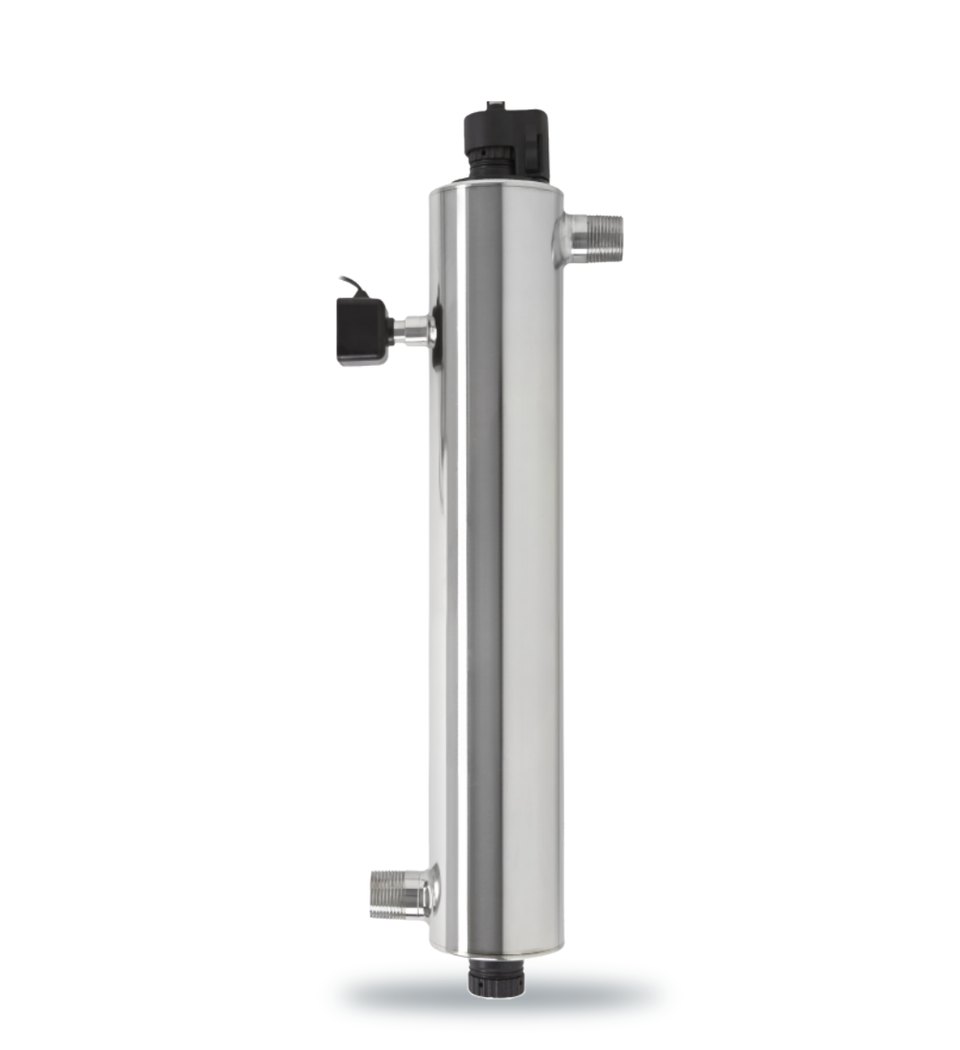
UV purification is for homes on a private well. It treats bacteria in the water with ultraviolet light instead of chemicals.

A stainless steel UV chamber standing upright, with water connections at the top and bottom

What you notice

  • Your home is on a private well
  • A well water test has shown bacteria
  • You’d rather treat your well water for bacteria than wonder about it

What it does

A UV system treats all the water coming into your home from the well. Water flows past ultraviolet light, which deactivates bacteria. Nothing is added to the water, so it doesn’t change the taste or smell.

  • Treats bacteria in well water as it enters the house
  • No chemicals added to your water
  • Often paired with well water treatment, which clears iron and sulfur first so the UV light can do its job

Start with a FREE on-site water test of your well.

Book my free water test
Living with a system

What homeowners ask us

Straight answers to the questions that come up most.

Why does soft water feel slippery?

This is the most common worry people have, and the answer is reassuring. With hard water, soap reacts with the minerals and leaves a film on your skin, which is what makes skin feel “squeaky.” Soft water lets soap rinse away completely. What you feel afterward is your own skin, not leftover soap.

What’s the difference between a softener and a filter?

A softener handles the hardness minerals behind scale and spotting. A filter handles taste, odor and chemicals like chlorine. They solve different problems, so most homes want both.

What maintenance is there?

Not much. Check the salt tank on your softener every 2–3 months, and if it’s low, pour in a bag of salt. Salt is sold at any hardware store. If you have a reverse osmosis system, its filters get changed once a year.

Upkeep is inexpensive, and we’ll quote any replacement filters up front.

What happens if the power goes out?

Your system keeps softening and filtering. The only thing that pauses is the automatic self-cleaning cycle, which runs about once a month, so a short outage makes no difference.

Drinking water depends on the type: a tankless reverse osmosis unit needs power to run, while a tank-style reverse osmosis system keeps working without it.

Single tank or dual tank?

A single tank holds a mix of filtering and softening media, so one tank filters and softens together. That suits most homes. A dual tank setup splits the jobs between two tanks and is usually recommended for well water or larger households. Your water test tells us which fits.

Warranty

Our warranty, component by component

Coverage depends on the part. Here are the exact terms.

  • Lifetime — tanks and dry parts
  • 5 years — control valve, circuit board and filtration media
  • 1 year — reverse osmosis systems
  • 1 year — our workmanship

Service trips free in the first year, $99 after.

“Dry parts” are the components that don’t come into direct contact with water. Coverage follows the terms above. It is not a blanket warranty on every part of the system.